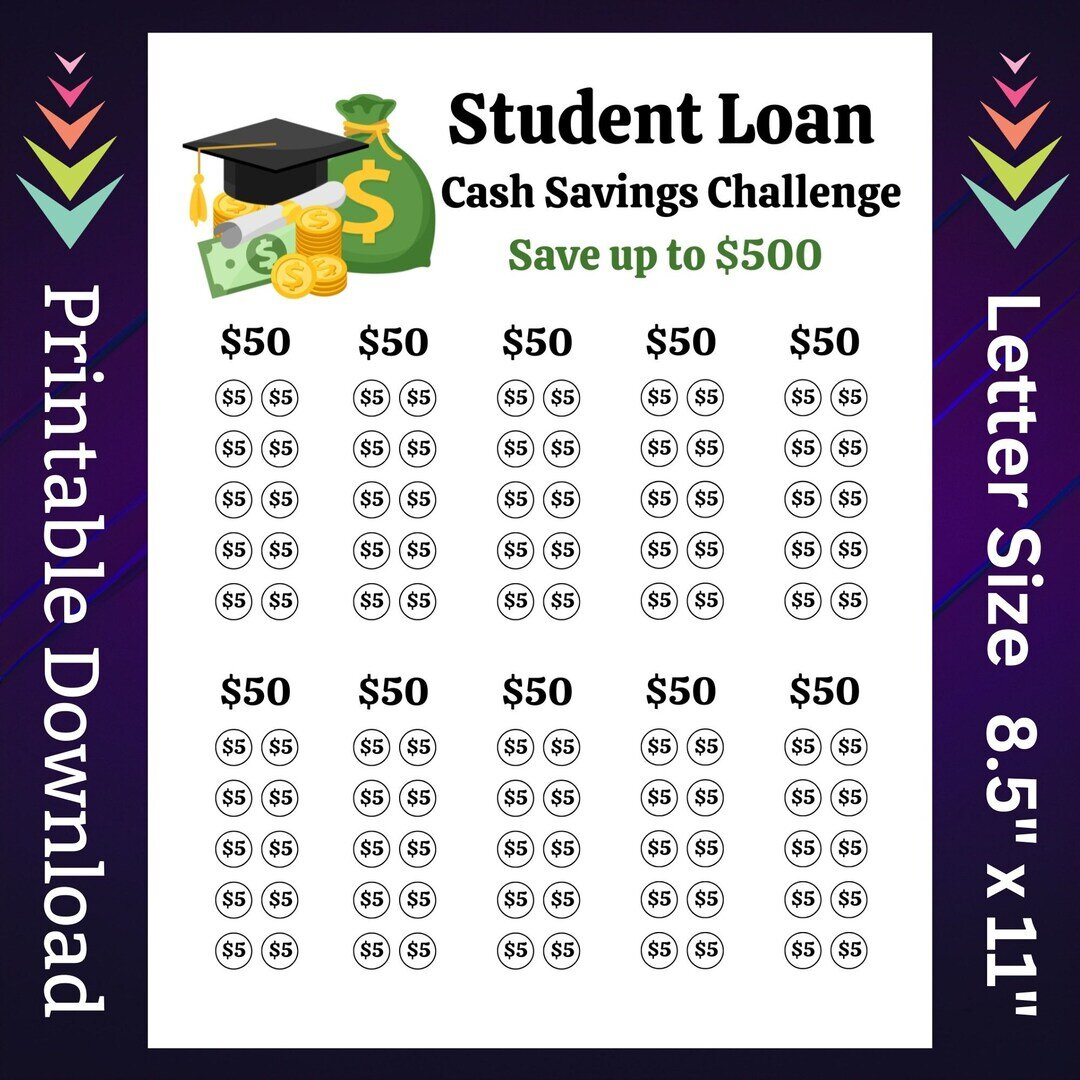
Welcome, fellow students! Are you looking for a way to maximize your savings and take control of your student loans? Look no further than Student Loan Saver! This innovative tool is designed to help you find the best repayment plans, consolidate your loans, and ultimately save you money in the long run. Say goodbye to financial stress and hello to a brighter financial future with Student Loan Saver.
Understanding Student Loan Options
When it comes to financing your education, it’s important to understand the different student loan options available to you. One of the most common types of student loans is the federal student loan, which is offered by the U.S. Department of Education. These loans have low interest rates and flexible repayment options, making them a popular choice for many students. Federal student loans can be subsidized or unsubsidized, with subsidized loans being based on financial need and the government paying the interest while you are in school, and unsubsidized loans accruing interest while you are still studying.
Another option for student loans is private loans, which are offered by banks, credit unions, and other financial institutions. Private loans often have higher interest rates than federal loans, but they can be a good option for students who have exhausted their federal loan options or need additional funds to cover their education expenses. It’s important to shop around and compare different private loan options to ensure you are getting the best rates and terms possible.
In addition to federal and private loans, there are also state-sponsored student loans available in some states. These loans are typically offered at competitive interest rates and may offer additional benefits for residents of the state. If you are eligible for state-sponsored student loans, it’s worth exploring this option to see if it could be a good fit for your financial situation.
One important thing to keep in mind when considering student loan options is the repayment terms. Federal student loans offer a variety of repayment plans, including income-driven repayment plans that base your monthly payments on your income and family size. Private loans may have less flexible repayment options, so it’s important to carefully review the terms and conditions before taking out a private student loan.
Overall, understanding the different student loan options available to you is crucial in making informed decisions about financing your education. Whether you choose federal loans, private loans, or state-sponsored loans, it’s important to carefully consider the terms, interest rates, and repayment options to ensure you are setting yourself up for financial success after graduation.
Tips for managing student loan debt
Student loan debt can be a significant burden for many college graduates, but there are several tips and strategies that can help make managing this debt more manageable. Here are some tips for managing student loan debt:
1. Create a budget: One of the most important steps in managing student loan debt is to create a budget. This will help you track your expenses and income, and identify areas where you can cut back in order to put more money towards your student loans. By creating a budget, you can see where your money is going and make adjustments as needed to ensure that you are able to make your student loan payments on time.
2. Consider income-driven repayment plans: If you are struggling to make your monthly student loan payments, you may want to consider enrolling in an income-driven repayment plan. These plans adjust your monthly payments based on your income and family size, making them more manageable for borrowers who are struggling financially. There are several different income-driven repayment plans available, so be sure to research your options and choose the one that works best for your financial situation.
3. Explore loan forgiveness programs: Another option for managing student loan debt is to explore loan forgiveness programs. These programs forgive a portion or all of your student loan debt in exchange for certain qualifying activities, such as working in a high-need area or for a non-profit organization. If you qualify for a loan forgiveness program, it can help reduce or eliminate your student loan debt, making it easier for you to achieve financial freedom.
4. Make extra payments when possible: If you are able to do so, making extra payments towards your student loans can help you pay off your debt more quickly and save money on interest in the long run. Even small extra payments can add up over time and help you become debt-free faster. Consider making extra payments whenever you can, such as when you receive a bonus at work or a tax refund.
5. Communicate with your loan servicer: If you are struggling to make your student loan payments, it is important to communicate with your loan servicer. Your loan servicer may be able to offer you options such as deferment, forbearance, or a temporary reduction in your monthly payments. By staying in touch with your loan servicer and being proactive about your financial situation, you can avoid defaulting on your student loans and work towards becoming debt-free.
By following these tips for managing student loan debt, you can take control of your finances and work towards paying off your student loans successfully. Remember that managing student loan debt takes time and effort, but with determination and perseverance, you can achieve financial freedom and reach your financial goals.
The benefits of loan consolidation for students
Loan consolidation is a great option for students who are struggling to manage multiple student loans. By consolidating loans, students can combine all of their loans into one single loan, with one monthly payment. This can make it easier for students to keep track of their payments and stay on top of their finances.
One of the main benefits of loan consolidation is the potential for a lower interest rate. When you consolidate your loans, the new consolidated loan will often have a lower interest rate than the individual loans you had before. This can save students money in the long run, as they will be paying less interest over the life of the loan.
Another benefit of loan consolidation is the ability to extend the repayment period. By consolidating your loans, you may be able to extend the repayment period, which can lower your monthly payments. This can be especially helpful for students who are struggling to make their current monthly payments and need some breathing room to get back on track.
Additionally, loan consolidation can simplify the repayment process. With multiple loans, students may have to make payments to different lenders at different times throughout the month. This can be confusing and stressful to keep track of. By consolidating loans, students only have to make one payment to one lender each month, making the repayment process much more streamlined and easier to manage.
Consolidating loans can also improve credit scores. When students consolidate their loans, the individual loans are paid off and replaced with a new consolidated loan. This can show lenders that the student is taking steps to manage their debt responsibly, which can improve their credit score over time. A higher credit score can make it easier for students to qualify for additional loans or credit in the future.
Finally, loan consolidation can provide peace of mind for students. Managing multiple loans can be overwhelming and stressful, especially for students who are already dealing with the demands of school and work. By consolidating loans, students can simplify their financial situation and focus on their education without the added stress of managing multiple loans.
In conclusion, loan consolidation offers many benefits for students who are struggling to manage their student loans. From lower interest rates to simplified repayment processes, loan consolidation can help students save money, lower their monthly payments, improve their credit scores, and reduce stress. Students who are considering loan consolidation should carefully weigh the potential benefits and drawbacks before making a decision.
Exploring loan forgiveness programs for students
Student loan forgiveness programs are designed to help students who are struggling with their loan payments. These programs offer a way for borrowers to have a portion of their student loans forgiven or cancelled in exchange for meeting certain criteria. There are various forgiveness programs available, each with its own set of requirements and benefits. Here are some popular loan forgiveness programs that students can explore:
1. Public Service Loan Forgiveness (PSLF): This program is available to borrowers who work full-time for a qualifying employer in public service, such as government agencies or non-profit organizations. To qualify for PSLF, borrowers must make 120 qualifying monthly payments under a qualifying repayment plan while working full-time for a qualifying employer. Once these requirements are met, the remaining balance on the borrower’s federal Direct Loans may be forgiven.
2. Teacher Loan Forgiveness: This program is specifically for teachers who work in low-income schools or educational service agencies. To qualify for Teacher Loan Forgiveness, borrowers must teach full-time for five consecutive years in a qualifying school or agency. Depending on the subject area and level of teaching, borrowers may be eligible for forgiveness of up to $17,500 on their federal Direct Subsidized and Unsubsidized Loans.
3. Income-Driven Repayment (IDR) Plans: While not technically a forgiveness program, IDR plans can help borrowers lower their monthly loan payments based on their income and family size. Under IDR plans, borrowers can have their remaining loan balance forgiven after making payments for 20 to 25 years, depending on the specific plan. This can be a helpful option for borrowers who have a high amount of student loan debt compared to their income.
4. Loan Forgiveness for Medical Professions: There are loan forgiveness programs available for students pursuing careers in the medical field, such as doctors, dentists, and nurses. These programs typically require students to work in underserved areas or for specific healthcare organizations in exchange for loan forgiveness. For example, the National Health Service Corps offers loan repayment assistance to healthcare providers who work in underserved communities. Additionally, the Nurse Corps Loan Repayment Program offers loan repayment assistance to registered nurses and nurse practitioners who work in critical shortage facilities.
5. Military Service Loan Forgiveness: Members of the military and veterans may be eligible for loan forgiveness through various military service programs. For example, the Army, Navy, and Air Force all offer loan repayment programs for eligible servicemembers. Additionally, the Department of Veterans Affairs offers the Veterans Total and Permanent Disability Discharge, which forgives the student loans of veterans who are totally and permanently disabled due to a service-connected disability.
Overall, there are a variety of loan forgiveness programs available to help students manage and repay their student loans. By exploring these programs and determining eligibility, students can potentially reduce or eliminate their student loan debt, making higher education more affordable and accessible.
How to avoid defaulting on student loans
Defaulting on student loans can have serious consequences such as damaging your credit score, wage garnishment, and even legal action. To avoid defaulting on your student loans, consider the following tips:
1. Make timely payments: One of the most effective ways to avoid defaulting on your student loans is to make your payments on time. Set up automatic payments or reminders to ensure that you never miss a payment deadline.
2. Communicate with your loan servicer: If you are facing financial difficulties and are unable to make your monthly payments, it is essential to communicate with your loan servicer. They may be able to offer you options such as income-driven repayment plans or deferment.
3. Explore loan forgiveness programs: Depending on your field of work, you may be eligible for loan forgiveness programs that forgive a portion of your student loan debt in exchange for working in certain professions or for a certain period of time.
4. Refinance your student loans: If you have multiple student loans with high interest rates, consider refinancing them into a single loan with a lower interest rate. This can help you save money on interest over time and make your payments more manageable.
5. Develop a budget and stick to it: One of the most effective ways to avoid defaulting on your student loans is to develop a budget that outlines your income, expenses, and debt obligations. By tracking your spending and prioritizing your student loan payments, you can ensure that you are staying on track with your finances. Consider cutting back on unnecessary expenses and finding ways to increase your income to free up more money for your student loan payments.
By following these tips and taking proactive steps to manage your student loan debt, you can avoid defaulting on your loans and set yourself up for financial success in the future.
Originally posted 2025-12-02 13:07:55.